Why Carrier Still Matters
When QCODE released Carrier, the cinematic-audio wave hadn’t fully crested yet. Spotify exclusives weren’t dominating the headlines. The arms race for Hollywood-level podcast production was still warming up.
And then this dropped.
Starring Cynthia Erivo as Raylene, the show wasn’t just a thriller. It was a technical flex. A proof of concept. A statement that audio alone could create physical tension.
The Premise
You are Raylene.
A truck driver. Suspended license. No money. Limited options.
You take a job hauling a sealed trailer across state lines.
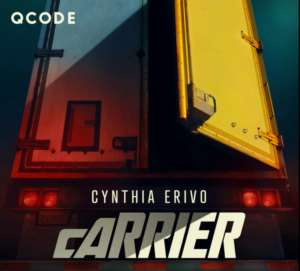
Three rules:
-
Drive straight through
-
Keep the reefer unit running
-
Do not open the doors
Simple enough.
Until it isn’t.
The Sound Design Changed the Game
People remember Carrier for one reason:
Binaural audio.
This wasn’t casual stereo mixing. It was aggressive, spatial, headphone-first design.
-
The engine hum feels under your seat
-
A knock on the driver’s window lands sharply to your left
-
Scratching from inside the trailer creeps from behind you
When done right, binaural audio tricks your brain into mapping sound in 3D space. That physical sensation is what made Carrier different.
Was the Ending Divisive?
Yes.
Some critics felt the final episodes escalated too far. The narrative swings big.
But that is not why people recommend it.
You do not ride a rollercoaster for the script. You ride it for the drop.
And Carrier still delivers one of the most intense “drop” moments in modern audio drama.
2026 Perspective: Is It Still the Gold Standard?
Today we have dozens of cinematic horror podcasts. Bigger budgets. More marketing. More exclusives.
But very few match the raw tension Carrier created inside a pair of headphones.
Seven years later, it still works.
Put your headphones on.
Close your eyes.
And whatever you do… don’t open the trailer.